
Take a walk on the wild side of flowers that is…
A wildflower is any flowering plant that grows in nature without being intentionally planted or cultivated by humans. Thriving in uncultivated spaces like meadows, forests, and along roadsides, they are native to their region and typically require no human care to flourish. The earth is said to laugh in flowers, so our area must be very happy!
Garrett County and our surrounding area offer trails and places to enjoy the many wildflowers. Our area boasts a vibrant wildflower season, particularly in spring, with highlights including trillium, Virginia bluebells, trout lilies, and pink lady’s slippers, but also with wildflowers that bloom in summer and fall as well.
Some of the top viewing areas include Monroe Run and Lostland Run, which feature mountain laurel, trilliums, and various ferns along slopes and streams.
Other areas to seek some colorful jewels are Poplar Lick Trail, a former 1934 CCC roadway that begins at the state park and ends at the Savage River. A walk in July yields rhododendron blooms and colorful midsummer wildflowers.
Herrington Manor State Park, located near Oakland, this park offers gentle trails through quiet hollows where you can spot wild strawberries, milkweed, and colorful native orchids. New Germany State Park, New Germany’s native plant garden, was established in 2009 with a mission to highlight the beauty and value of plants that occur naturally in the region. The garden is located next to New Germany Lake and features over 75 native species – all labeled with botanical markers for easy identification. These native plants are essential to the region’s natural heritage, providing food and cover for native birds, insects, pollinators, and other wildlife. Exotic and ornamental alternatives often fail to support the needs of native wildlife and can be detrimental or even devastating to local ecosystems.
Loch Lynn Heights Wetland Trail – trailgoers have reported a variety of wildflower types on Loch Lynn Trail, though the specific types can vary.
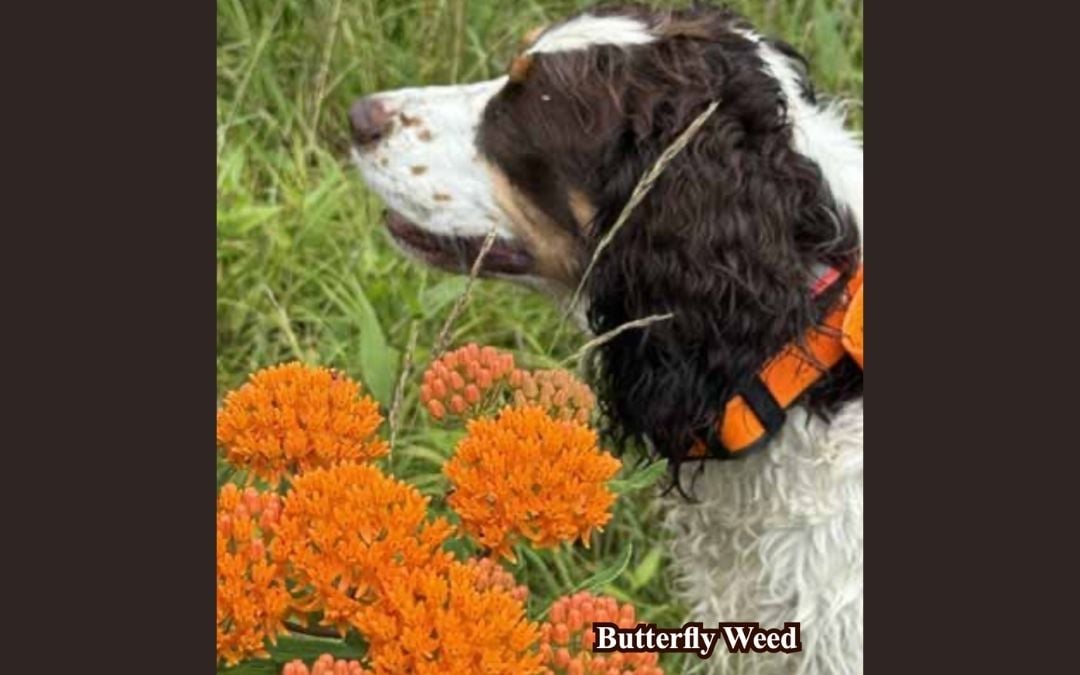
The summers, along with the sunshine, bring us bright bloomers while walking in the fields or woodlands, like the Turks cap lily, Deptford pink – a tiny splash of magenta with white specs, the fluorescent orange butterfly weed, famous for supporting monarch butterflies and pollinators; this native meadow favorite symbolizes transformation, warmth, and nurturing energy. My Chara, and English Springer Spaniel, even likes them!
The Chicory (Cichorium intybus) or as I knew it the cornflower, brightens fields and roadsides, a perennial herbaceous plant known for its bright blue to lavender blossoms, brightens many fields and roadsides. Linaria, or toadflax, is a whimsical yellow flower that resembles the smiling mouth of a toad. The yellow toadflax, nicknamed butter and toas,t is most commonly found as a wildflower, toadflax is sometimes cultivated for cut flowers, which are long-last- Deptford Pink Deptford Pinking in a vase.
As the temperatures start to drop into late summer and early fall we have the brilliant goldenrod (Belonging to the daisy family, it is famous for its bright yellow flower clusters that bloom in late summer and fall- There are over 100 species of goldenrod Goldenrod: a useful wildflower, and it is celebrated as an ecological powerhouse that feeds bees, butterflies, and other vital pollinators when other food sources dwindle. Farmers often allow or encourage goldenrod to grow on field edges because it is a pollinator powerhouse. It blooms in late summer and fall, providing a vital food source for honeybees, native bees, and migrating butterflies (like Monarchs) when other crops stop flowering. Wildlife Habitat: Its seeds and the energy-rich larvae inside its stem “galls” provide food for beneficial birds during the winter months.
There is the blue vervain ( It is an erect, herbaceous perennial that grows 2 to 5 feet tall and is celebrated for its distinctive, branching, candelabra-like spikes of small purple-blue flowers. Bird’s-foot Trefoil has a bright, pea-like, yellow flower that is sometimes tinged with red. Its most distinct feature is seed pods that grow outward from the stem, visually resembling a bird’s foot. Originally introduced to North America from Europe and North Africa for agricultural forage and erosion control, it now frequently grows wild in meadows, lawns, and along roadsides.
The Victorian era had an affinity for flowers and their meanings. A few of the local wildflowers and their meanings are: Black-Eyed Susans: Symbolize encouragement, motivation, and the pure joy of survival.
Daisies: Stand for innocence and eternal cheerfulness.
Chicory (Cichorium intybus): Represents frugality and perseverance. It is known for growing out of harsh roadside dirt and gravel.
Dandelion (Taraxacum officinale): Symbolizes faithfulness, happiness, and wishes. Blowing its seeds away represents releasing worries or sending desires into the universe.
Queen Anne’s Lace (Daucus carota): Represents sanctuary, delicate grace, and refuge. The intricate, lace-like cluster of Blue Vervain mirrors protective shelter.
A quote from Lady Bird Johnson: “Almost every person, from childhood, has been touched by the untamed beauty of wildflowers.”
How many of us,s as children, have placed buttercups under our chins, or blown the dandelion seeds, or even picked some posies for our Mom, yes most folks have been touched by wildflowers; I know I have.
Written by Robin Clutter.